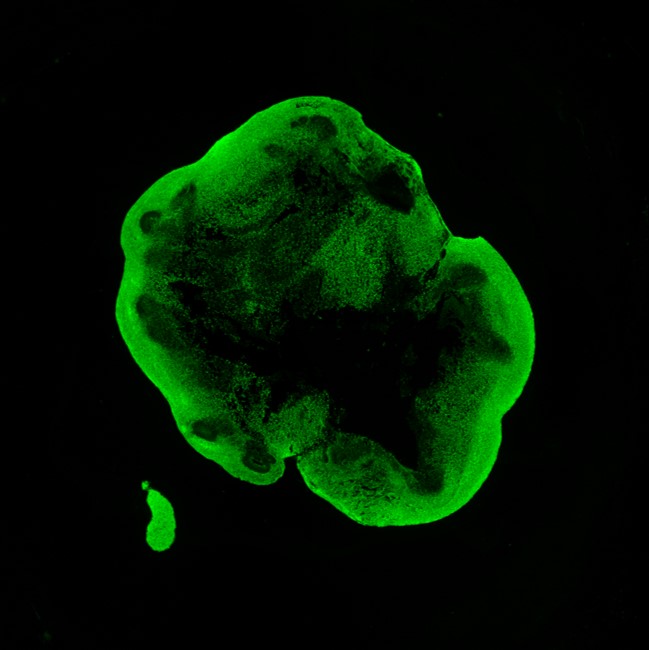
The concept of the “organoid” began drawing significant attention in 2009, when the research team led by Hans Clevers at the Hubrecht Institute successfully recreated a three-dimensional structure resembling intestinal tissue using mouse intestinal stem cells.
The study demonstrated that stem cells could self-organize and differentiate outside the human body, reproducing key structures and functions of real organs. Following this breakthrough, the term “organoid” rapidly spread across the scientific community as a way to describe organ-like structures grown in vitro.
In its early years, organoid technology was viewed largely as an experimental possibility within academic laboratories. Over time, however, organoids began emerging as one of the key platforms shaping the future of drug discovery and the broader biohealth industry. As researchers recognized their potential to evaluate drug efficacy and toxicity with greater precision, the market surrounding organoid technologies also began to expand rapidly. Technological advancement eventually started driving changes not only in science, but also in industrial structures and regulatory frameworks.
To understand why organoids are attracting so much attention today, it is important to first examine the long-standing role of animal testing in drug development.
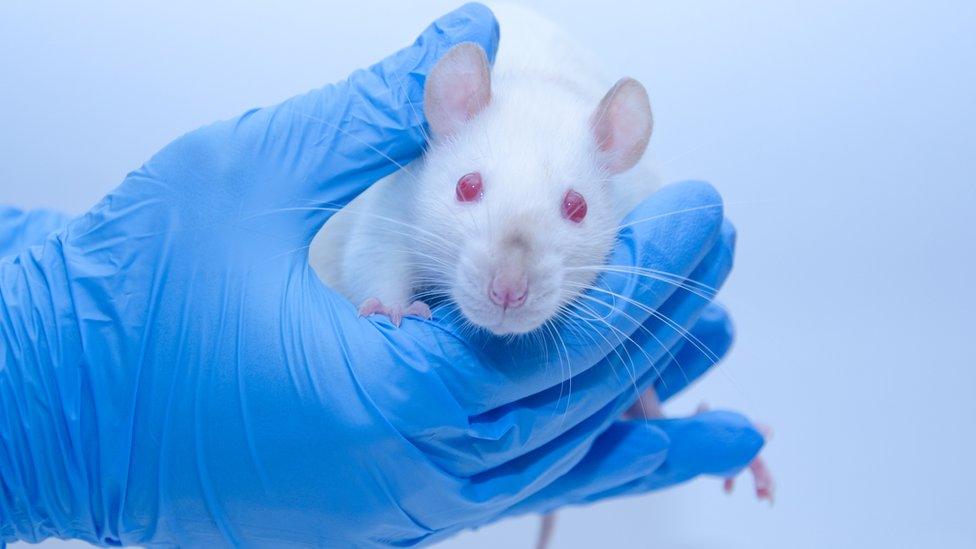
For decades, the use of animal models such as mice and primates was considered the global standard during the preclinical stage of drug development. At a time when it was difficult to directly predict human physiological responses, animal testing was regarded as the most realistic and validated method for observing drug reactions in living organisms.
However, concerns surrounding the effectiveness of animal testing continued to grow. Due to species differences between humans and animals, preclinical results often failed to accurately predict actual clinical outcomes in humans. Alongside these scientific limitations, rising development costs, lengthy timelines, and ethical concerns further accelerated the demand for alternative approaches.
Then, in 2022, the momentum behind this transition intensified with the passage of the FDA Modernization Act 2.0 The legislation removed the mandatory requirement for animal testing in the drug approval process, officially opening the door for alternative testing methods.
The move was seen as more than a regulatory revision.
It signaled that the very standards of drug development could be changing.
Following this shift, the global biohealth industry began moving beyond the idea of simple “animal alternatives” toward more human-centered and predictive evaluation systems. At the center of this transition is the concept of NAMs (New Approach Methodologies).
NAMs refer to next-generation approaches that complement or replace conventional animal testing, including organoids, organ-on-a-chip systems, AI-based predictive models, and computational simulations. The concept is not driven solely by ethical considerations. Rather, it is rapidly expanding in response to industrial demand for technologies that can more accurately reproduce human biological responses while reducing failure rates in drug development.
Among these technologies, organoids are increasingly recognized as one of the core platforms of the NAMs era. Built from human-derived cells and capable of replicating key structures and functions of real organs, organoids are being explored across a wide range of applications, including cancer research, rare diseases, toxicity testing, and precision medicine. They are no longer viewed simply as research tools, but as part of the next-generation infrastructure for biohealth innovation.
Today, not only global pharmaceutical and biotech companies but also regulatory agencies are accelerating efforts to establish NAMs-based evaluation systems. Major institutions including the U.S. FDA and the National Institutes of Health are expanding related research and validation programs, while Europe continues policy discussions surrounding the reduction of animal testing and the adoption of advanced evaluation platforms. Industry experts increasingly view this movement not as a temporary technology trend, but as a structural shift that could redefine the future of drug development itself.
In Korea, efforts to respond to this transition are also gaining momentum. Launched in 2026, the K-NAMs (Korea-New Approach Methodologies) platform represents one of the country’s largest collaborative ecosystems dedicated to advanced alternative testing technologies. By integrating organoids, organ-on-a-chip systems, and AI-based analytical technologies, the initiative aims to simultaneously address standardization, regulatory validation, and industrialization. More than 20 institutions—including research institutes, universities, biotech companies, and regulatory organizations—are participating in the effort to build a NAMs-centered biohealth ecosystem.
This development reflects a broader reality: organoid technology is no longer confined to research laboratories. It is steadily entering real industrial and regulatory systems. As reproducibility, data-driven prediction, and patient-specific evaluation become increasingly important in future drug development, organoids are expected to play a central role in shaping the next standard of biohealth.
Today, one question is drawing growing attention across the industry:
“What will become the new standard for biohealth after animal testing?”
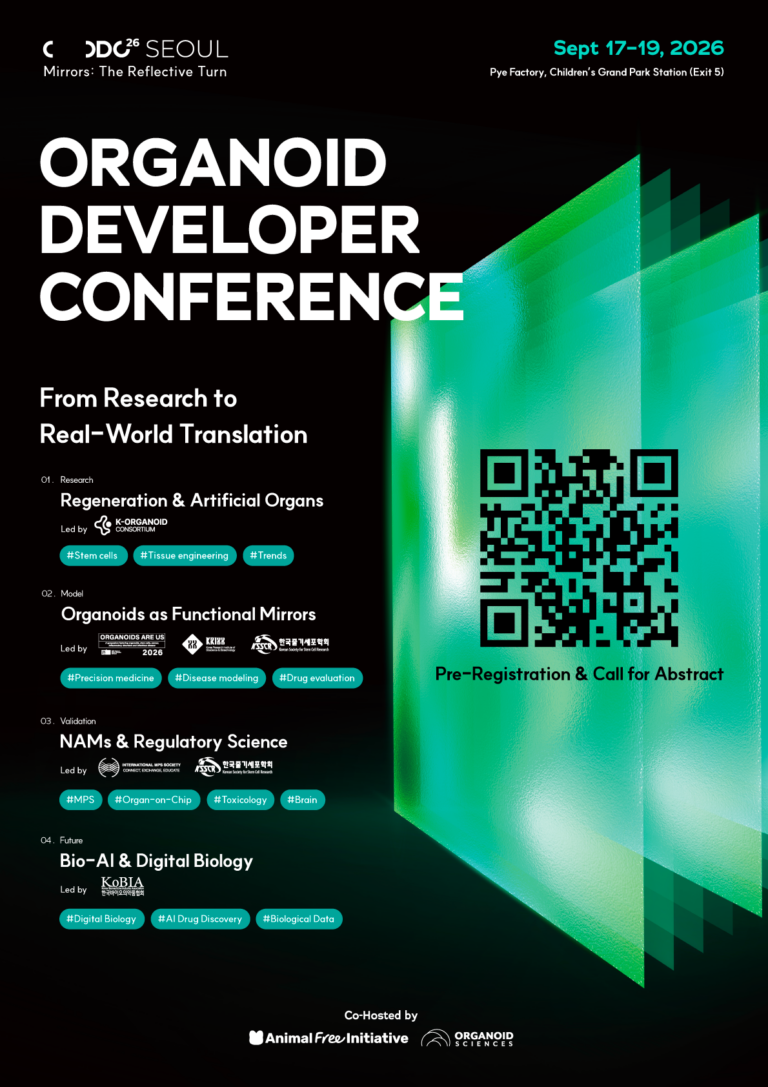
ODC26 explores the present and future of organoids and NAMs within this rapidly evolving global landscape. Expanding beyond research into industrial application, standardization, regulation, AI convergence, and global collaboration, the conference will bring together academia, industry, and regulatory leaders to discuss the future direction of next-generation biohealth innovation.