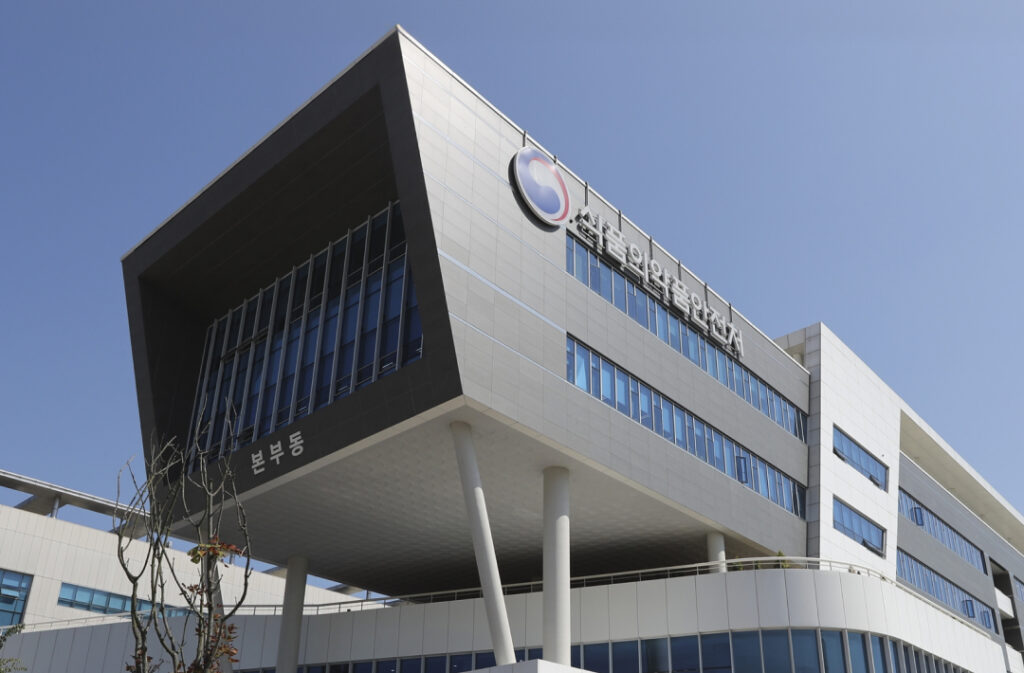
ORGANOIDSCIENCES has received Investigational New Drug (IND) approval from the Korean Ministry of Food and Drug Safety (MFDS) for its regenerative therapeutic candidate, ATORM-C. This marks the world’s first clinical entry of an organoid-based regenerative therapy.
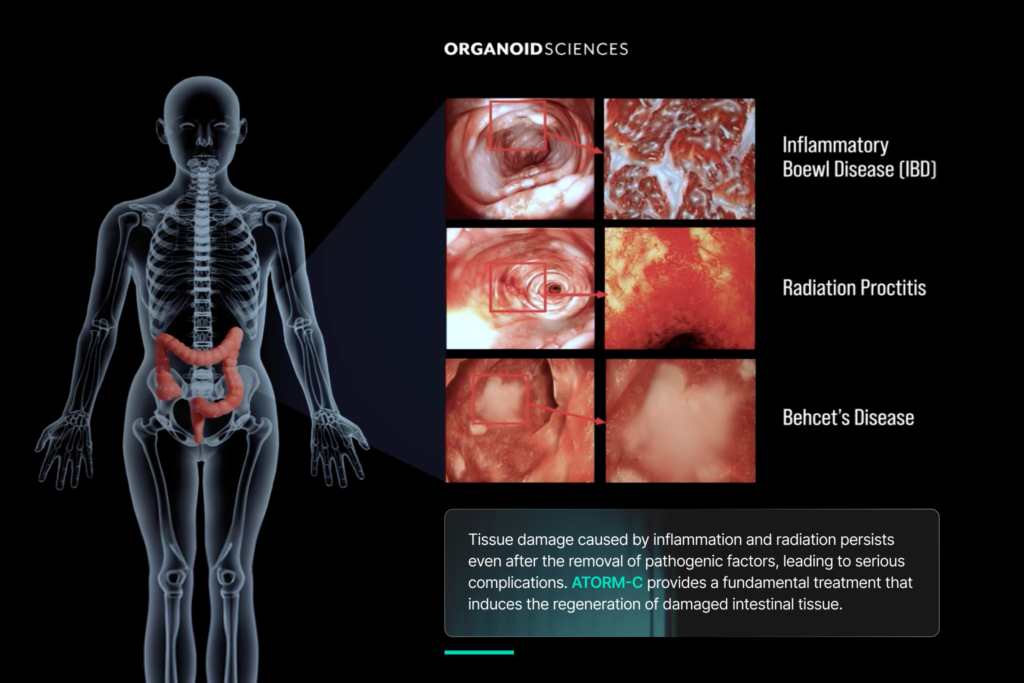
ATORM-C is a three-dimensional intestinal organoid therapy derived from stem cells isolated from a patient’s own intestinal tissue. Designed to promote regeneration of damaged intestinal mucosa, the therapy aims to treat refractory ulcers that do not respond to conventional treatments, reduce intestinal inflammation, and prevent disease progression. Once transplanted onto damaged mucosal tissue, ATORM-C differentiates into functional intestinal epithelial cells, directly driving tissue regeneration.
Crohn’s disease is a chronic inflammatory bowel disease characterized by recurrent inflammation and ulceration of the intestinal mucosa. If left untreated, it can progress to severe complications such as intestinal strictures and perforation. However, as there is currently no curative treatment available, many patients continue to rely on therapies that only provide temporary symptom relief.
The Phase 1 clinical trial, to be conducted at Asan Medical Center, will evaluate tolerability, safety, maximum tolerated dose (MTD), recommended Phase 2 dose (RP2D), and exploratory efficacy. Approximately 9 to 18 patients will be enrolled and monitored for up to 24 weeks following administration.
This approval demonstrates the evolution of organoid technology from a methodological research platform into a commercially viable therapeutic modality.