
What Is Life? — “The Good, the Bad, and the Strange Microbes”
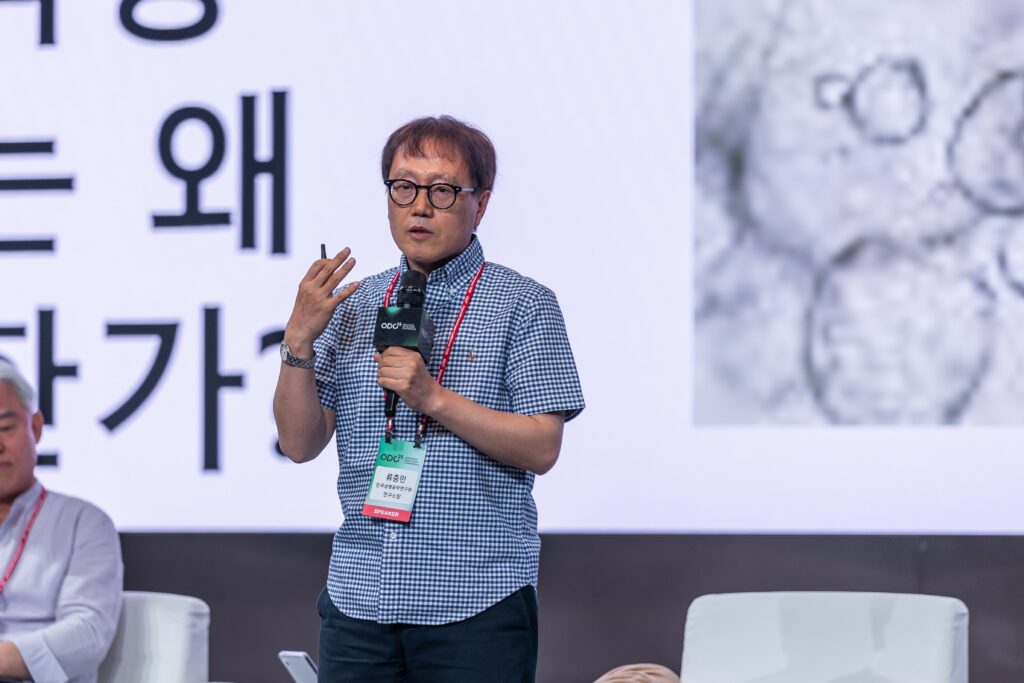
Dr. Ryu Chungmin’s lecture, themed “The Good, the Bad, and the Strange Microbes,” begins with a simple yet profound question that scientists have been asking for centuries — what is life?
The Principles of Life: East and West
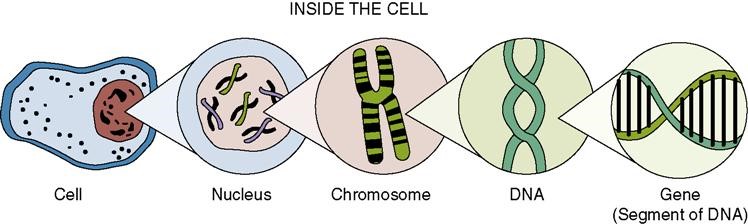
Modern life sciences attempt to understand life by dissecting it into its smallest units — cells, DNA, genes, and proteins. This approach, known as reductionism, stems from the Western scientific tradition of analyzing complex phenomena by breaking them down into smaller components in search of their essence.
The Western view of life is rational and structural. It seeks the laws of life within its minimal elements, which has led to the long-standing notion that “DNA determines life.”
However, as technology evolves, so does our perspective on life. Organoid research is a representative example — a technology that reassembles cells to recreate tissues and organs, restoring the vitality of life rather than dissecting it. As Dr. Ryu explains, organoids can be understood as a scientific movement that transcends the limits of reductionism, exploring life as a whole.
In contrast, Eastern philosophy offers a different lens. Dr. Ryu reinterprets a passage from The Commentary on the Book of Changes (I Ching) as a metaphor for the process of life:
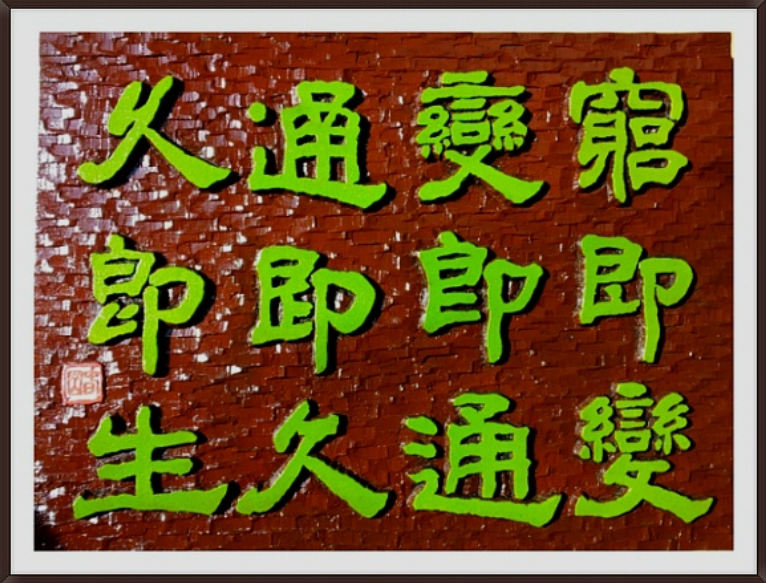
“When things are exhausted, they change (窮則變);
when they change, they flow (變則通);
when they flow, they endure (通則久);
and when they endure, they give birth (久則生).”
While Western reductionism views life as a fixed structure, the Eastern view sees life as a continuous flow and relationship — a dynamic state of harmony sustained through adaptation and change. Life, in this sense, is not defined by a core substance, but by the ongoing balance of transformation.
Dr. Ryu connects this philosophy to the modern concept of the Holobiome — the inseparable relationship between an organism and its microbes. A human being, in fact, is a complex ecosystem inhabited by trillions of microorganisms; our very existence depends on coexistence with them. This resonates deeply with the Eastern metaphor of life found in the I Ching.
Life, then, is a process of “changing, flowing, and living together” — an ancient Eastern philosophy reborn in the language of 21st-century biology.
Coexistence as a Way of Being
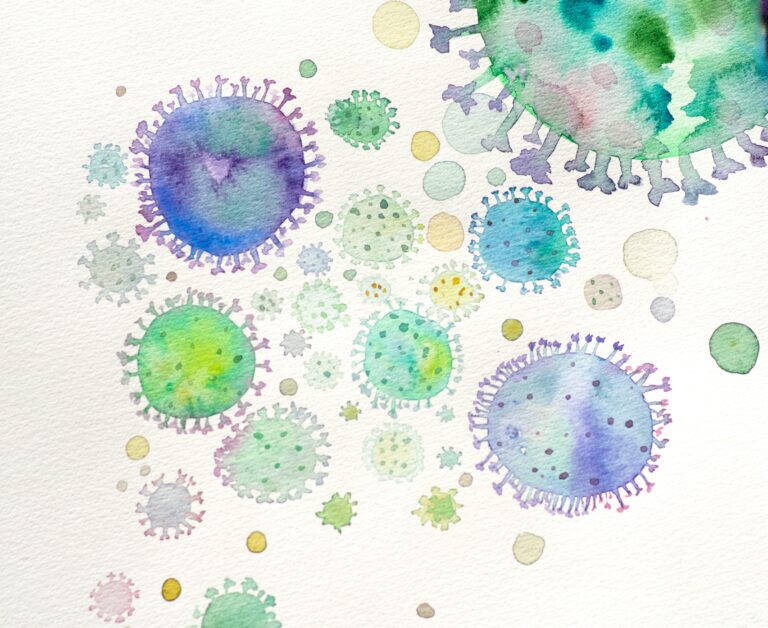
For a long time, bacteria, fungi, and viruses have been regarded as enemies. Yet, throughout the history of life, they have been its oldest companions. Microorganisms appeared 1.5 billion years after the Earth was formed, and all forms of life today emerged upon this microbial foundation.
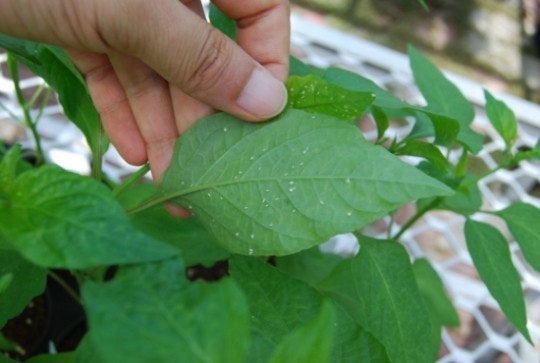
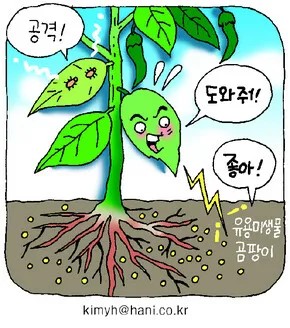
Dr. Ryu illustrates this with examples from his research on cooperation between insects, plants, and microorganisms — notably the greenhouse whitefly(scientific name : Trialeurodes vaporariorum) and Pseudomonas bacteria. In one of his studies, he observed that when whiteflies feed on pepper leaves, the plant sends out signals to soil microorganisms and fungi for help. In response, beneficial bacteria such as Pseudomonas gather near the roots and kill the pests.
This, he says, is another language of the ecosystem — “a system that operates together to survive.” Life, in other words, evolves not through competition but through cooperation.
For a long time, bacteria, fungi, and viruses have been regarded as enemies. Yet, throughout the history of life, they have been its oldest companions. Microorganisms appeared 1.5 billion years after the Earth was formed, and all forms of life today emerged upon this microbial foundation.
greenhouse whitefly(scientific name : Trialeurodes vaporariorum): a small white invasive insect that damages greenhouse and ornamental crops.
Pseudomonas: a genus of gamma-proteobacteria known for its role in plant defense and environmental balance.
Once More, What Is Life?
Perhaps, through countless scientific hypotheses, we already know that every form of nature on Earth is a result of coexistence. There are no good or bad microbes on this planet — only relationships. Humanity, too, is merely one member of the vast holobiome that is Earth.
As technology advances, human life is increasingly treated as something that can be designed or engineered. Yet life cannot be fully explained by scientific logic or technological progress alone. It is the sum of complex relationships that cannot be reduced to categories of good or evil, efficient or inefficient.
We exist, because we exist together.
Life, after all, is the art of coexistence.